The International Phonetic Alphabet (IPA) Guide for Major Languages
A visual and auditory deep-dive into the IPA systems of the world's most spoken languages.
The International Phonetic Alphabet (IPA) is the gold standard for describing the sounds of human speech. While the full chart contains over 100 symbols, mastering a new language only requires learning the specific subset of IPA symbols used in that language's phonology. Below is our comprehensive guide to the IPA for the most popular international languages.
Spanish IPA
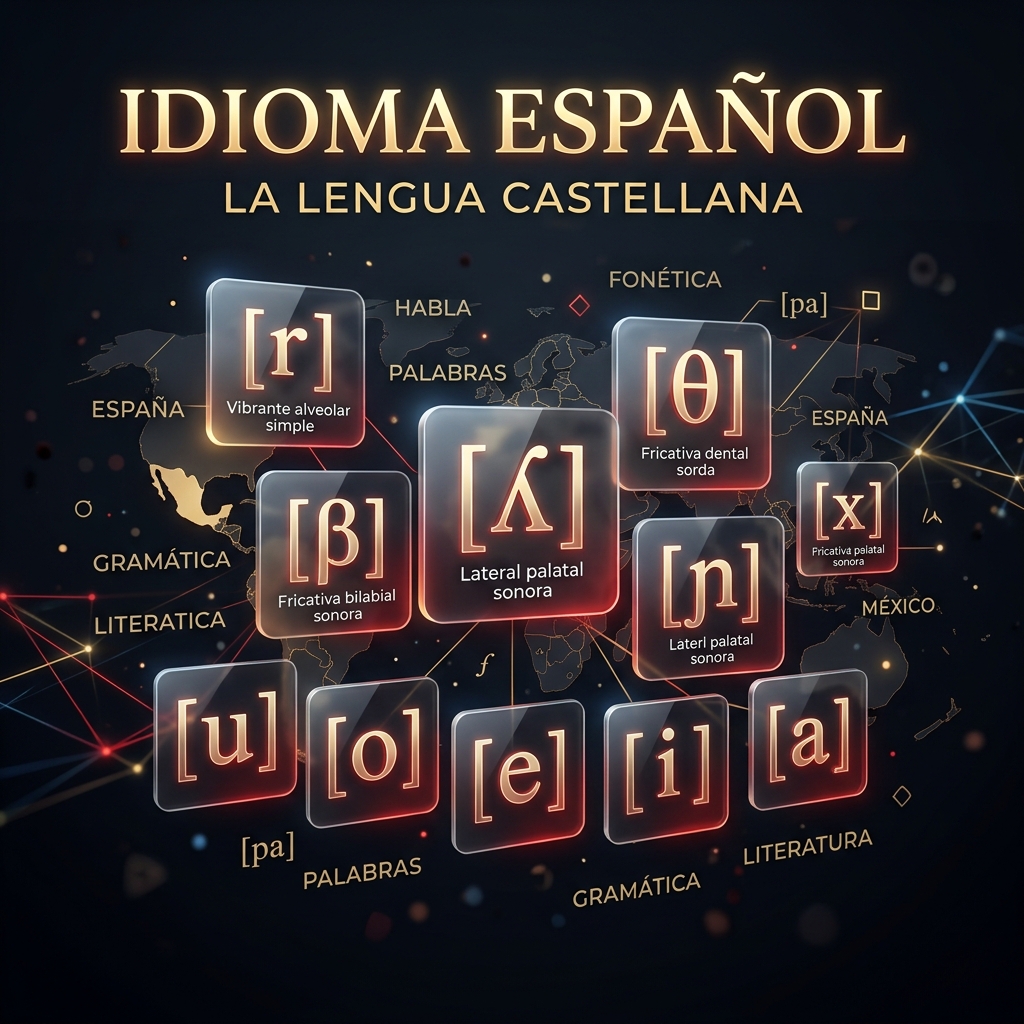
Core Vowels: a, e, i, o, u
Unique Phonemes: the rolled /r/ (trill), the uvular /rr/, the /ñ/ (palatal nasal), the /ll/ in some dialects, the /ch/ affricate
In IPA, Spanish /r/ is written as [r] for the trill and [ɾ] for the tap. The /b/ and /v/ are both realized as [β] between vowels, a feature called "lenition" that confuses many English speakers.
IPA Word Examples:
- desarrollar: /de.sa.ro.ˈʎaɾ/
- ferrocarril: /fe.ro.ka.ˈril/
- murciélago: /muɾ.ˈθje.la.ɣo/
French IPA
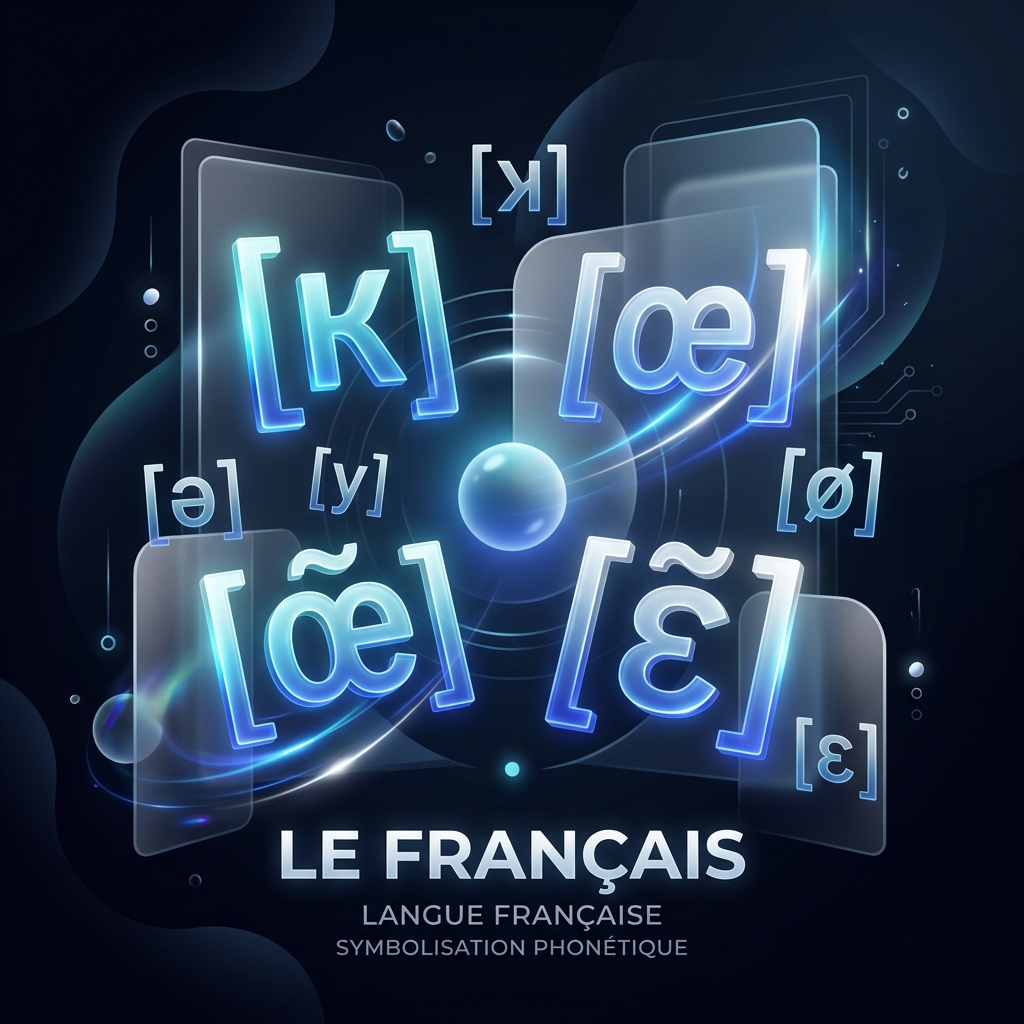
Core Vowels: a, e, i, o, u, é, è, ê, œ, ø
Unique Phonemes: nasal vowels /ɑ̃/, /ɛ̃/, /ɔ̃/, the uvular /ʁ/ (French R), the front rounded vowels /y/, /ø/, /œ/, liaison and elision, the schwa /ə/
The IPA symbol [ʁ] represents the voiced uvular fricative unique to French. Nasal vowels are shown with a tilde beneath or the letter ̃, e.g., [ɑ̃], [ɛ̃], [ɔ̃], [œ̃].
IPA Word Examples:
- grenouille: /ɡʁə.nuj/
- serrurerie: /se.ʁy.ʁʁi/
- anticonstitutionnellement: /ɑ̃.ti.kɔ̃.sti.ty.sjɔ.nɛ.l.mɑ̃/
German IPA
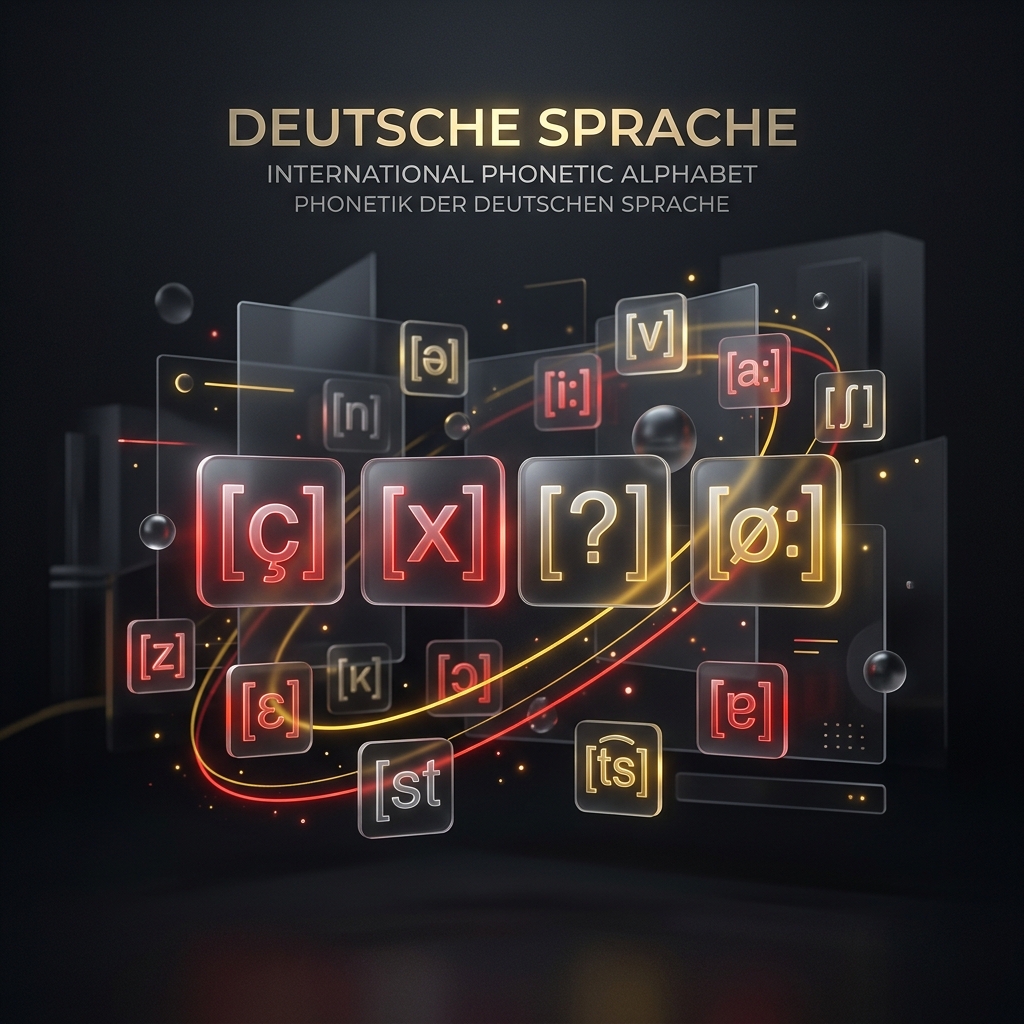
Core Vowels: a, e, i, o, u, ä, ö, ü
Unique Phonemes: the /ch/ fricatives [x] and [ç], the glottal stop [ʔ], front rounded vowels /ü/ /ö/, the /z/ sound spelled as "s", the /v/ sound spelled as "w"
German IPA uses [x] for the guttural "ch" sound and [ç] for the softer palatal version. The symbol [ʁ] or [r] is used for the German R depending on dialect.
IPA Word Examples:
- Streichholzschächtelchen: /ʃtʁaɪ̯çhɔltsˌʃɛçtəlçən/
- Rechtsschutzversicherungsgesellschaft: /ʁɛçtsˌʃʊtsfeɐ̯ˌzɪçəʁʊŋsɡəˌzɛlʃaft/
- Donaudampfschifffahrtsgesellschaft: /ˌdoːnaʊ̯ˈdampfʃɪffaːɐ̯tsɡəˌzɛlʃaft/
Mandarin Chinese IPA

Core Vowels: a, e, i, o, u, ü
Unique Phonemes: 4 lexical tones (plus neutral), retroflex consonants zh, ch, sh, r, aspirated vs non-aspirated stops, the /ü/ sound (front rounded), syllabic nasals
Mandarin tones in IPA are shown with diacritics: ˥ (high level), ˧˥ (rising), ˨˩˦ (dipping), ˥˩ (falling). The Pinyin romanization system uses marks above vowels: ā ā á ǎ à.
IPA Word Examples:
- 绕口令 ràokǒulìng: /ʐào.kʰòu.lîŋ/
- 成就 chéngjiù: /tɕʰɤ̌ŋ.tɕiôu/
- 难以置信 nányǐzhìxìn: /nǎn.i.tʂɨ.ɕin/
Arabic IPA
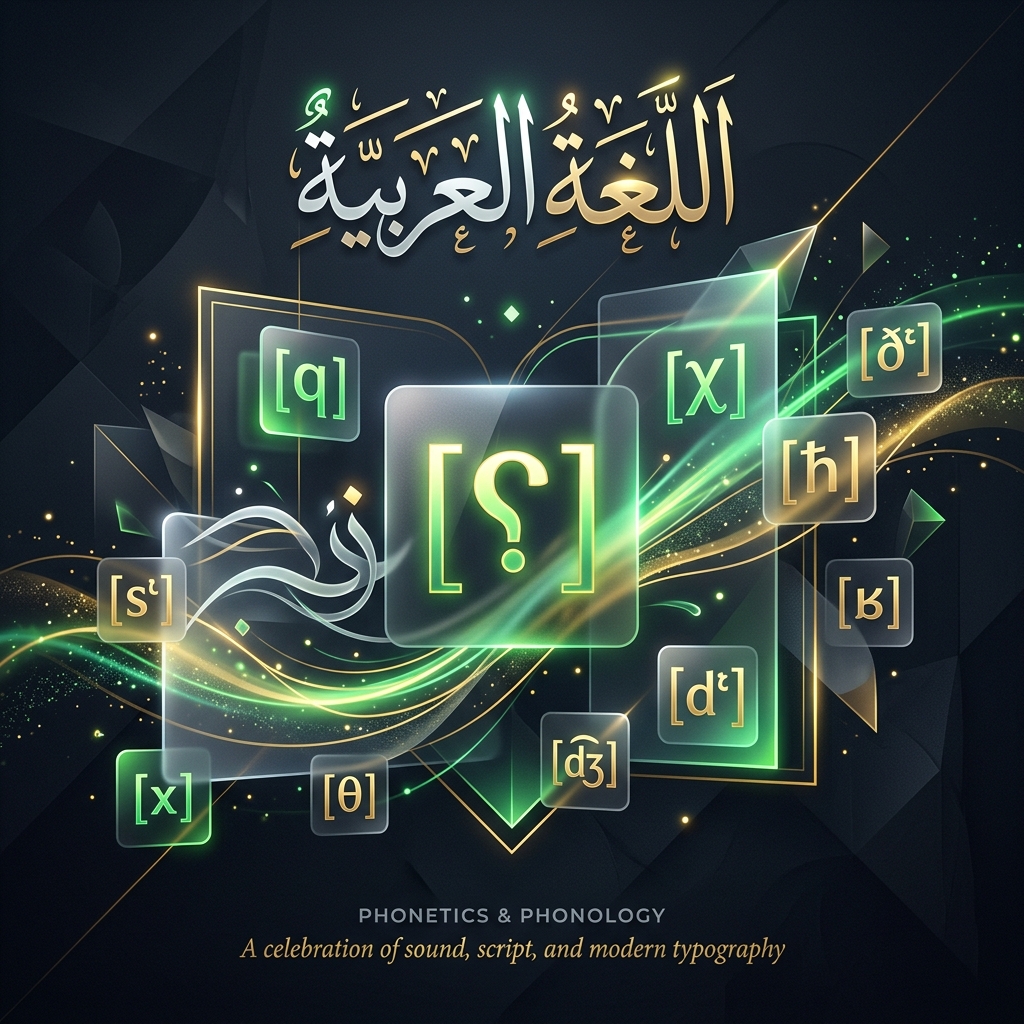
Core Vowels: a, i, u, aa, ii, uu
Unique Phonemes: pharyngeal /ħ/ and /ʕ/, uvular /q/, emphatic consonants /sˤ/, /dˤ/, /tˤ/, /ðˤ/, the glottal stop /ʔ/ (hamza), voiced and voiceless pharyngeals
Arabic emphatic consonants are transcribed in IPA with a superscript ˤ indicating pharyngealization: [sˤ], [dˤ], [tˤ]. The uvular stop is [q] and the uvular fricative [x] or [χ].
IPA Word Examples:
- عشق (ʕišq): /ʕɪʃq/
- خصخصة (xasxasa): /χasχasa/
- المستشفى (al-mustašfā): /al.mʊs.taʃ.fā/
Japanese IPA

Core Vowels: a, i, u, e, o
Unique Phonemes: pitch accent system, the /r/ sound (flap [ɾ]), mora-timing vs stress-timing, geminate consonants, the syllabic nasal /N/
Japanese IPA uses [ɾ] for the flap R, [ɕ] for the "sh" in "shi", and [ɯ] for the unrounded high back vowel "u". Long vowels are marked with a macron (ā, ī, ū, ē, ō) in romanization.
IPA Word Examples:
- 橋/箸 (hashi/hashi): /ha.ɕi/
- 頑張る (ganbaru): /ɡam.ba.ɾu/
- 寿司 (sushi): /sɯ.ɕi/
🎙️ Practice the IPA with Pronouncer
Pronouncer instantly converts any word in 200+ languages into its exact IPA transcription, complete with native audio. Start practicing today to perfect your accent.
Open Pronouncer Tool →